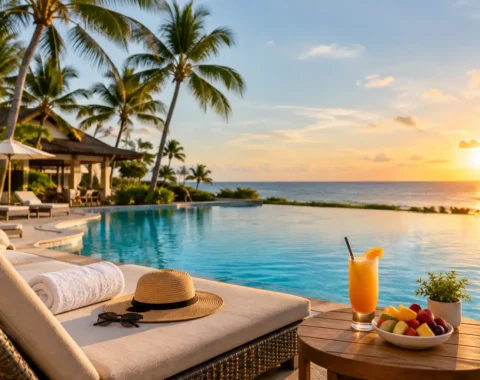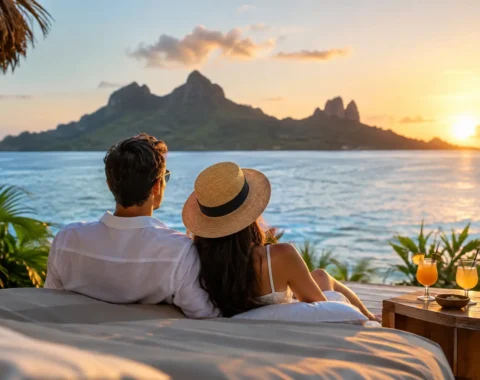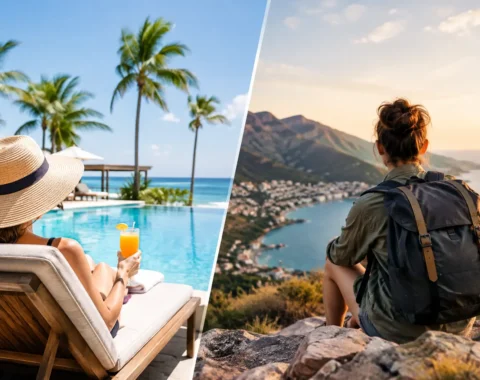

A private sunset sail after a day on a Maldivian atoll. A family safari designed around the ages and interests of everyone traveling. A European itinerary with room to linger instead of rushing from one landmark to the next. Luxury travel trends 2026 are less about checking into the most expensive property and more about having a trip that feels personal, well-paced, and completely cared for.
For travelers celebrating a honeymoon, anniversary, milestone birthday, or long-awaited family escape, the definition of luxury continues to become more thoughtful. Beautiful hotels and exceptional service still matter, but so do privacy, flexibility, local connection, and the confidence that someone has considered the details before they become problems.
Luxury Travel Trends 2026: What Travelers Value Most
The strongest theme this year is intentionality. Travelers are choosing fewer trips that carry more meaning, often selecting destinations and experiences that fit a specific moment in life. Rather than packing an itinerary with every possible activity, many are asking a more useful question: what will make this trip feel truly memorable for us?
That shift changes how a luxury vacation is planned. A couple may prefer a secluded overwater villa with an unhurried schedule over a larger resort with a packed calendar. A multigenerational family may need connecting accommodations, dependable transfers, flexible dining, and excursions that work for both grandparents and young children. These choices are not one-size-fits-all, which is why careful planning has become part of the luxury itself.
Privacy remains a priority
Private villas, standalone suites, small expedition ships, secluded island resorts, and exclusive-use experiences continue to appeal to travelers who want space without sacrificing service. Privacy does not always mean isolation. Often, it means having the freedom to enjoy a destination on your own terms, whether that is breakfast on a terrace, a private guide for a cultural outing, or a quiet beach away from crowded public areas.
The trade-off is that the most private accommodations are frequently limited in number and book well ahead of travel dates. They can also be farther from a destination’s busy center. For some travelers, that distance is a benefit; for others, it may mean longer transfers or fewer spontaneous dining options. The right fit depends on whether your ideal trip feels more like a retreat, an adventure, or a balanced combination of both.
Experiences are becoming more personal
Luxury travelers are moving beyond generic excursions in favor of experiences with real relevance. That might mean tracking wildlife with a respected local guide in Africa, learning regional cooking techniques from a chef in Italy, or arranging a private lagoon picnic in the South Pacific. The value comes from access, expertise, and pacing, not simply from adding a premium label to an activity.
Personalization also requires restraint. It is possible to overplan even the most extraordinary destination. A safari may be better with time between game drives to enjoy the lodge and landscape. A Caribbean stay may call for a few memorable excursions and several unscheduled days by the water. A thoughtfully designed itinerary protects time to absorb the place you traveled so far to see.
Wellness Travel Is More Than a Spa Appointment
Wellness remains a major part of luxury travel, but travelers are looking for more than a massage menu. They are seeking trips that help them rest, reconnect, move their bodies, eat well, and return home feeling genuinely restored. Resorts are responding with sleep-focused accommodations, guided nature experiences, personalized fitness, nutrition-conscious dining, and quieter spaces designed for recovery.
For busy professionals, this can be especially appealing. A well-planned wellness escape removes the mental load of deciding what to do next while leaving enough freedom for the trip to feel restorative rather than scheduled. The best option is not necessarily a formal wellness retreat. A beachfront resort with excellent service, a peaceful room category, private transportation, and a few well-timed treatments may deliver exactly what a traveler needs.
Wellness travel also looks different for every group. A honeymoon might center on privacy and romance, while a family trip may be restorative because every traveler has activities suited to them. The goal is not to follow a trend. It is to build a vacation that supports how you want to feel.
Thoughtful Sustainability Is Influencing Choices
Travelers are paying closer attention to where their money goes and how a property operates within its community and environment. In destinations such as the Maldives, Africa, the Caribbean, and the South Pacific, this may include marine conservation, wildlife protection, local employment, responsible sourcing, or support for community-based initiatives.
This is an area where details matter. Sustainability claims vary widely, and a beautiful setting alone does not tell the whole story. Travelers may want to consider how a resort manages waste and water, whether wildlife encounters are responsibly run, and how local culture is represented in guest experiences. A knowledgeable advisor can help narrow choices based on what matters most to you without turning vacation planning into a research project.
There can be practical considerations as well. Some eco-conscious properties are more remote, have a deliberately smaller footprint, or operate with fewer on-site conveniences. That can be part of their appeal, but it should match your comfort level and travel style.
Smaller-Scale Luxury Is Having a Moment
Large resorts still have a place, particularly for travelers who want extensive dining, family programming, and plenty of entertainment. At the same time, boutique hotels, intimate lodges, luxury river cruises, and smaller ships are drawing travelers who prefer an atmosphere that feels more personal.
Smaller properties can offer greater character, more attentive service, and a stronger sense of place. A lodge with only a handful of suites may remember your preferred morning coffee. A small ship can reach ports and coves that larger vessels cannot. A boutique hotel may put you closer to a neighborhood’s food, art, and daily rhythm.
However, smaller does not automatically mean better. Fewer rooms can also mean fewer dining choices, limited children’s programming, or less flexibility if weather disrupts an activity. The right recommendation comes from matching the property to the people traveling, not from assuming one style is universally superior.
Longer Stays Create Better Travel Days
Another of the defining luxury travel trends 2026 is a preference for slower itineraries. Travelers are extending stays in a single resort or limiting the number of stops on a multi-city trip. This is especially sensible for long-haul destinations, where travel time, time-zone changes, and connections can take a meaningful portion of the vacation.
A longer stay allows an itinerary to breathe. In the Maldives, that might mean combining water activities, wellness, and unstructured beach time without feeling rushed. In Europe, it could mean staying in one region long enough to visit markets, enjoy a leisurely meal, and take a day trip without changing hotels every other morning. On an African safari, additional nights can increase the chance of varied wildlife sightings while giving you more time to settle into the rhythm of the bush.
Slower travel is not about doing less for its own sake. It is about leaving room for the moments that rarely appear on a schedule: an unexpected conversation with a guide, a perfect afternoon at the pool, or a dinner that becomes the highlight of the trip.
Planning Early Offers More Than Availability
For high-demand resorts, sought-after villa categories, holiday travel, and special occasions, early planning continues to be one of the clearest advantages a traveler can have. Booking ahead often provides better access to the accommodations and flight options that make a trip feel effortless from the start.
It also creates time to make better decisions. Instead of choosing from what remains, you can compare destinations, consider seasonal weather, coordinate with family members, and select experiences that align with the occasion. This is particularly valuable for complex trips involving international flights, multiple hotels, private transfers, or group travel.
Of course, advance planning does not mean every moment must be fixed months ahead. A strong itinerary secures the elements that matter most while preserving space for rest and spontaneity. That balance is one of the most valuable forms of travel expertise.
The most meaningful luxury trip is not defined by a single resort name or a dramatic photo. It is the feeling of arriving somewhere extraordinary and knowing the details have been considered, the choices reflect you, and your time is free to be enjoyed.